

Posts tagged global health
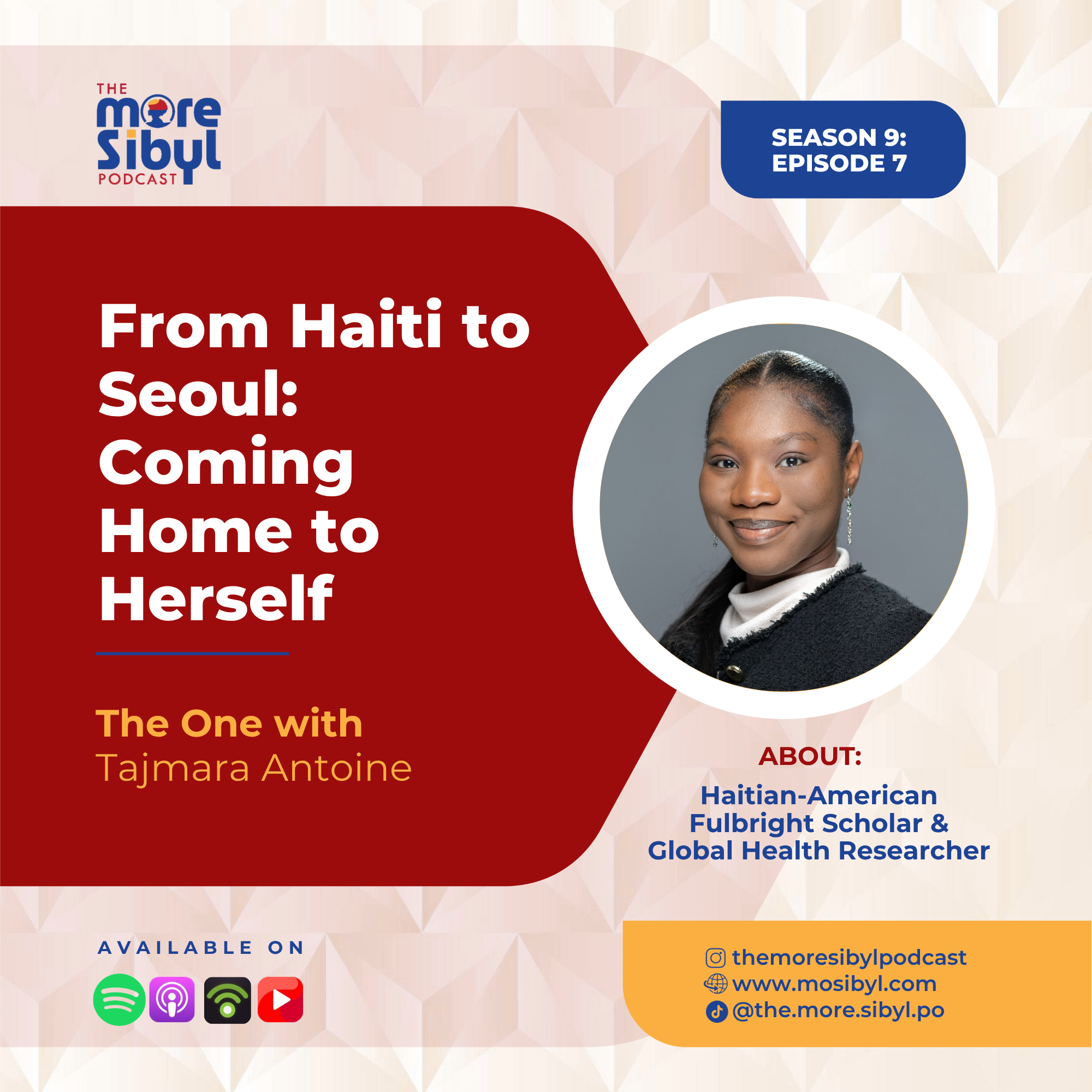
한국에서 다시 만난 우리| From Haiti to Seoul: Coming Home to Herself - The One with Tajmara Antoine | Episode 7 (2026)

The More Sibyl Podcast Presents: 한국에서 다시 만난 우리| From Haiti to Seoul: Coming Home to Herself - The One with Tajmara Antoine | Episode 7 (2026)

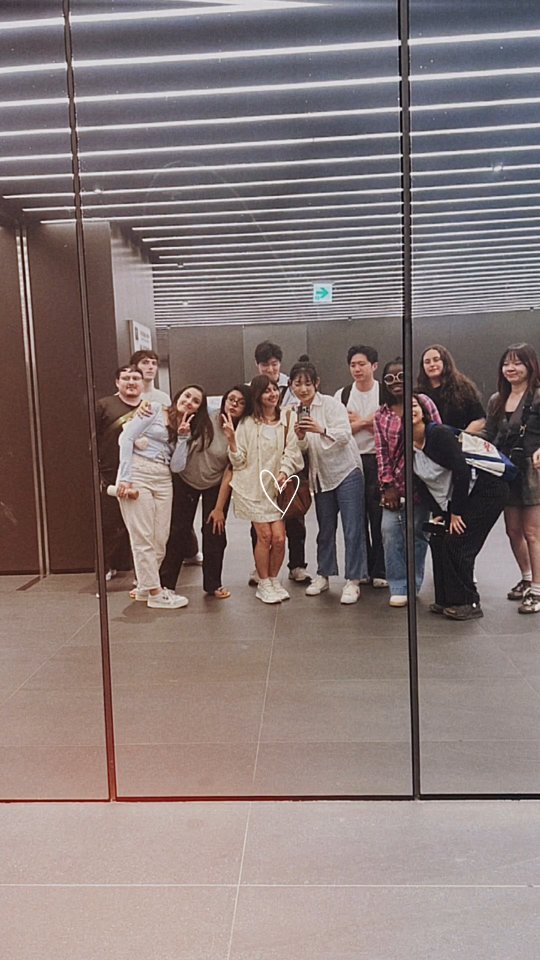
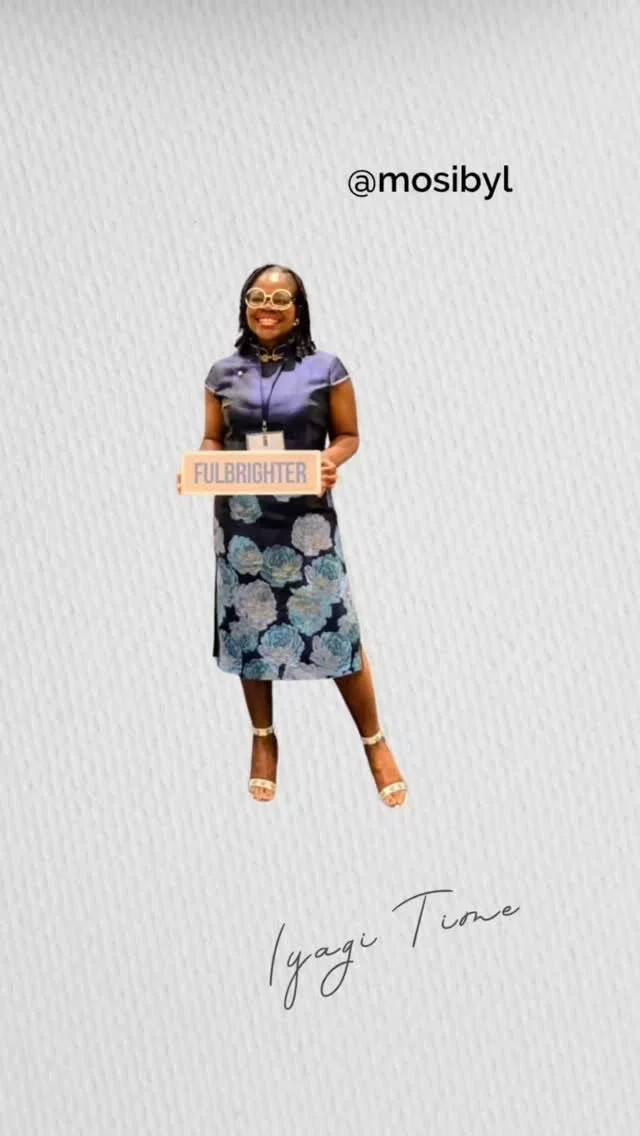
Let me introduce you to the two characters: Mo! the 언니 and Taj the 동생. We met in Seoul as neighbors and fellow Fulbright Scholars, and somewhere between spontaneous hallway conversations, shared meals, trips around Korea, and plenty of laughter, our 언니–동생 bond took shape.

In this special episode, part conversation, part time capsule, we reflect on our Nigerian and Haitian-American immigrant experiences, our very different generations, and what happened when Korea took us outside the lives we had always known.

We talk about racial burnout, learning to slow down, receiving kindness without keeping score, and realizing that you don’t have to be extraordinary to be worthy of love. Taj also takes us from her childhood in Port-au-Prince to Miami, NYU, global health research, and eventually Fulbright. She shares what happened when she rediscovered an autobiography she wrote in eighth grade, and realized she had already lived many of the dreams her younger self wrote down.

And, of course, we investigate Taj’s very questionable understanding of U.S. geography. Is Oklahoma next to Arizona? 😂

This conversation is about Korea, but more than that, it is about coming home to yourself and the Fulbright experience that made that homecoming possible.


In this episode, we talk about:

  • The immigrant experiences that shaped both of us

  • Growing up in the analog vs. digital generations

  • How Korea unexpectedly became a place of healing

  • Racial burnout and the freedom of simply existing

  • Learning to be okay with being “the different person”

  • Rediscovering creativity and healing the inner child

  • Receiving kindness without keeping score

  • Why stepping outside your comfort zone helps you discover yourself

  • And whether Oklahoma is, in fact, next door to Arizona. 😂

“Stepping outside of your comfort zone doesn't just help you discover another country, it helps you discover yourself.”

Read More
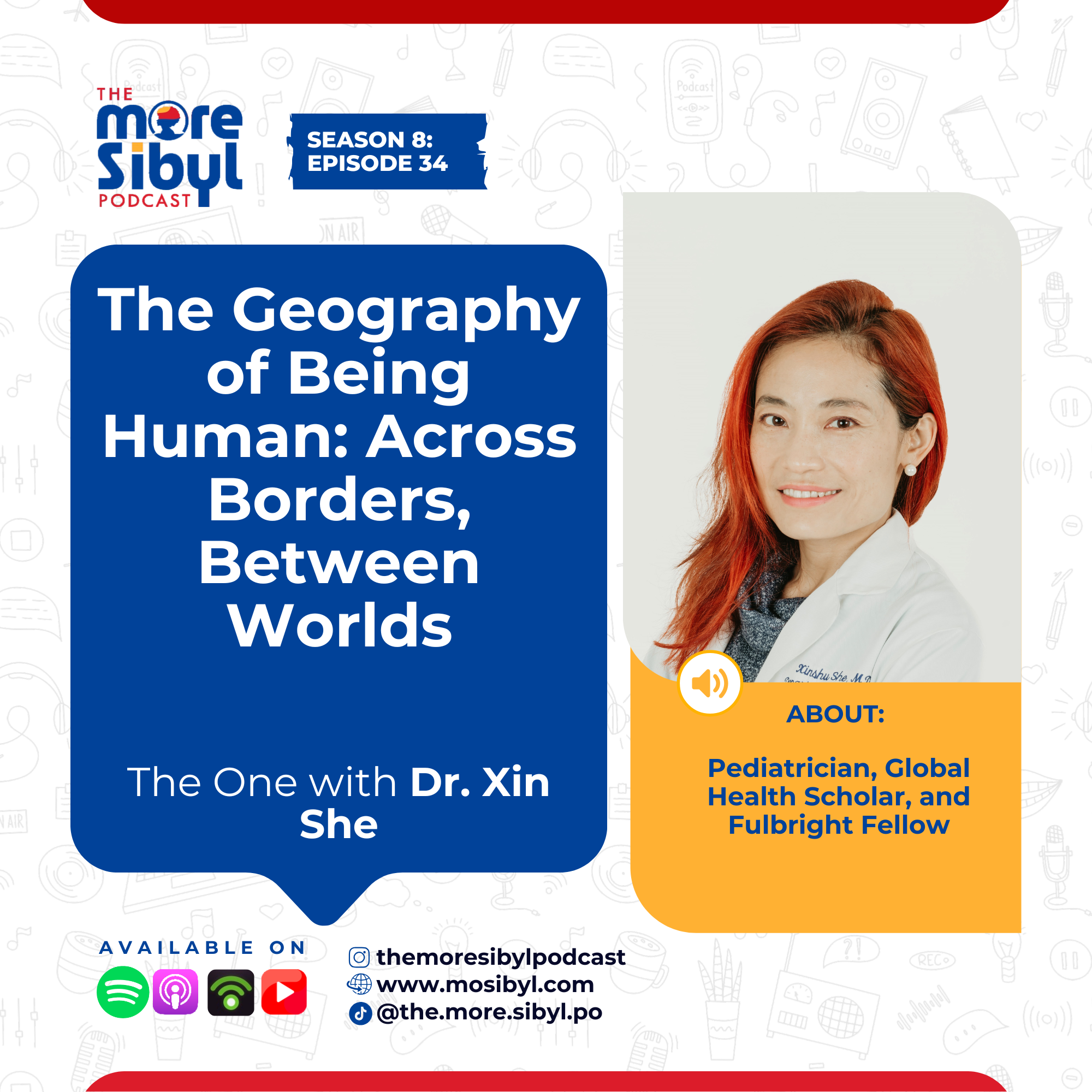
인간의 지형 | The One With Dr. Xin She – The Geography of Being Human: Across Borders, Between Worlds | Episode 34 (2025)

The More Sibyl Podcast Presents: 인간의 지형 | The One With Dr. Xin She – The Geography of Being Human: Across Borders, Between Worlds | Episode 34 (2025)

What does it mean to belong everywhere and nowhere at once?

In this episode of The More Sibyl Podcast, I sit with Dr. Xin She, a pediatrician, global health scholar, researcher, mindfulness educator, polyglot, and Fulbright Fellow, whose life spans continents, cultures, and ways of knowing. Together, we explore what it means to heal beyond medicine, to find wholeness not in prescriptions but in purpose, compassion, and connection.

Born in 1980s Shanghai, in a one-room home without hot running water, Dr. She’s earliest lessons in resilience came from bucket showers and blackouts long before she ever entered a clinic. Those childhood experiences later shaped her calling to global health, from Haiti’s pediatric wards to the U.S.–Mexico border, where a simple Coke bottle filled with stones can spark joy for a child processing trauma.

We talk about motherhood and migration, burnout and rebirth, and the tender work of raising a global citizen; a child who learns empathy not from textbooks, but from refugee camps, shared meals, and birthday cakes at the border. We also reflect on our Fulbright journeys, hers in Mexico and mine in Korea, and the quiet, unseen sacrifices our families make so we can stand in the places we feel called to. Our conversation moves through the meaning of work-life integration, the courage to say no without guilt, and the discipline of creating joy even in places marked by pain.

And woven through it all is a simple truth: despite our differences, people everywhere long for the same things: wellness, dignity, connection, and meaning. This episode is a reminder that across borders and experiences, there is always common ground.

Read More