우리 사이의 역사| The One with Andrea - The Spanish-speaking Southern Belle: Episode 15 (2018)

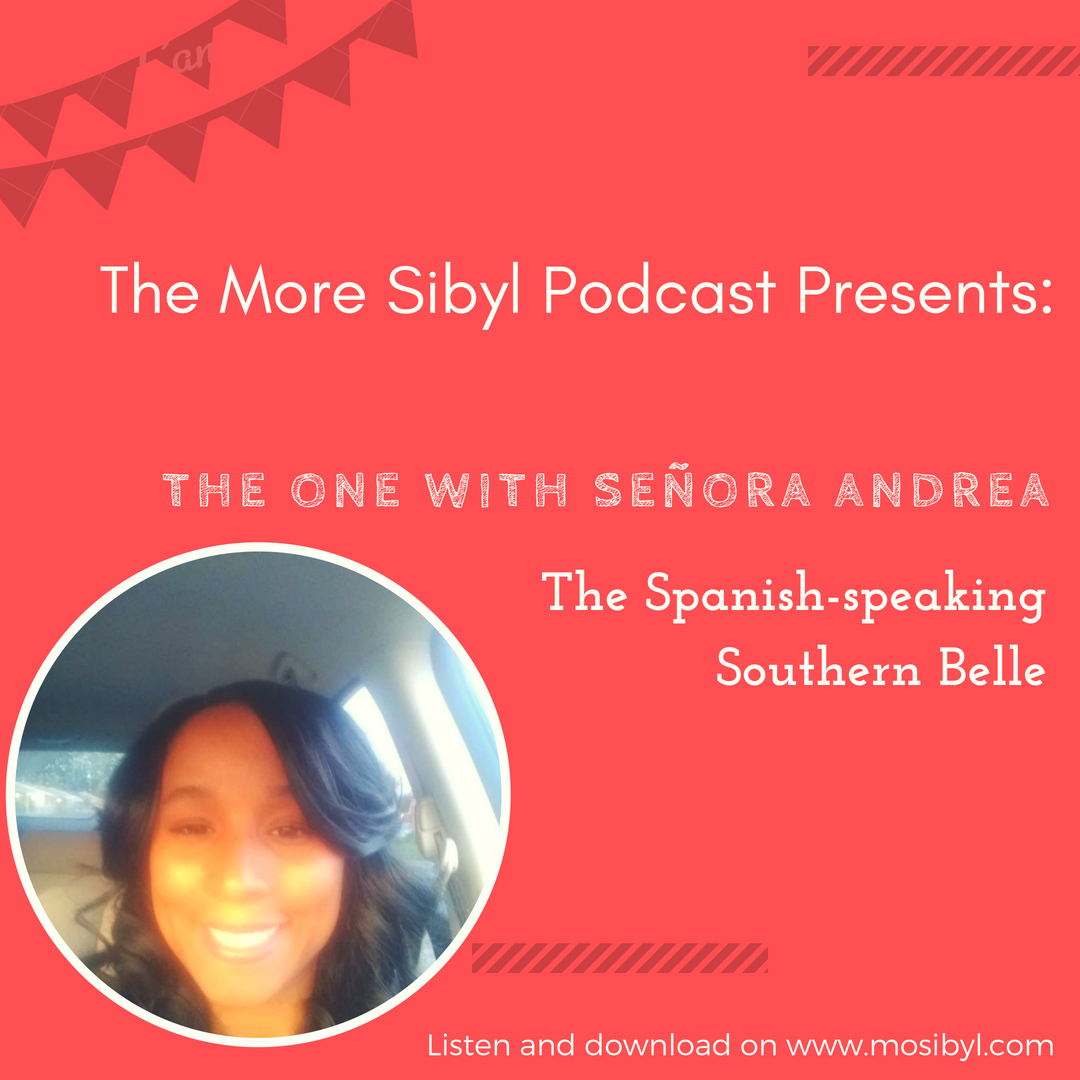
Hola amigos! Can you say Spanish-speaking Southern Belle three times without blabbing? I didn’t think so. Also, would you ever consider going back to school to learn a new language to help the people you serve? In this episode, I explored Andrea’s story and her love for the Spanish language, history, and travels. I also talked a bit about growing up in Nigeria during the restrictive, military regime. Andrea hopes to visit Ghana first, and I gave her the best tip ever – avoid the jollof rice there :-D.

We also explored her relationship with Africans and what she thinks of us. I am also seeking business partners for what I think would be a very profitable business for Africans and African Americans. It has to do with cultural exchange. Email me on talktomo@mosibyl.com, if interested.

PS: I spoke a bit of Spanish as well.

Fun facts about Andrea:

  • She is wanderlust like me and has visited six countries (one of which was Cuba #jealous).

  • She holds two bachelor’s degree.

  • She loves the Lord.

Takeaway points:

  • If you are in Ohio, consider getting the #Skyline chili.

  • Tips on how to avoid getting deleted as a Facebook friend.

  • Teach African-Americans about the African culture.

  • Africans and African-Americans need to learn to be more culturally patient with one another.

  • Why we need to visit Cuba ASAP

Con amor de,

모 /Mo/

Read More
사랑하는 아버님께서| The One with Dad - Daddy, Dearest: Episode 14 (2018)

The More Sibyl Podcast Happily Presents:

This is probably the most important podcast episode I have done yet. For those who might not know, I had a somewhat turbulent relationship with my father based on how I felt he was like to me as a kid. As a result, we never really talked and there was a distance between us.

In this episode, I present to you the man who is perhaps one of the most important people to Mo! This episode also happens to be the lengthiest conversation I have ever had with my dad and I feel very honored to share this intimate side of me with you.

PS: The history is very strong with this episode.

PPS: Perhaps the most disappointing thing about dad is his chronic unending love for Arsenal


Takeaway points:

  • Remind your parents to get their yearly health checkup done.

  • The path to reconciliation might be a difficult process but it is often worth the troubles.


Recommended Song:

Daddy's Home (feat. Hailey Kiteley) by Travis Greene


Well, enjoy then. And Happy Father’s Day, I guess.

Love,

모 /Mo/


Read More
함께 해보자| The One with Mark - Not Too Young to Run: Episode 13 (2018)

The More Sibyl Podcast Presents:

Recently, President Muhammadu Buhari, the Nigerian president, passed the “Not-too-young-to-run Act” into Law, thereby reducing the age qualification for certain elective offices created by the Nigerian constitution. The age qualification for president was reduced from 40 to 35 years. This effort was spearheaded by the wonderful folks at the Not Too Young to Run (NTYTR) Movement.

Thanks to the one degree of separation between us, I was able to bring one of those wonderful folks (Mr. Mark Amaza) behind the NTYTR movement on the show. In this episode, Mark and I talked a lot about this campaign and he was gracious enough to answer all the questions I presented before him. As a late bloomer to all things politics, I must say that I learned a lot from this episode and I hope this will be the same for you too.

Outro-ish Song: This is Nigeria by Falz; the original song was by Donald Glover aka Childish Gambino


Fun fact about Mark:

  • He is a certified Bibliophile and one of his many love languages is Amazon Gift cards *hint hint*

  • He has an idyllic memory to recall countries and their capitals.

  • He speaks the Bura language which is spoken mainly in Borno, Adamawa, and Yobe states in Nigeria. The Bura language is a Chadic language and has been reported to contrast a voiceless palatal lateral fricative, [] (ʎ̥˔), which is quite rare for languages.


TL; DL:

  • Get more involved in politics or governance, at the least.

  • When voting, focus on the hows from aspirants; don’t just fall for the empty promises

  • Download the Nigerian Constitution online for free

  • Mechanisms like the “Ready to Run Movement” can help you run a better campaign. They can provide you with resources (not money to help you get started)

  • Get your PVC (permanent voter’s card) today

  • Run a better campaign

  • You, as an electorate, have power in your hands; use it wisely.

The More Sibyl Podcast is now available on Stitcher. Can you kindly help leave a review on Stitcher? Link: http://bit.do/helpmo


Resources

  • Not Too Young to Run Campaign: http://nottooyoungtorun.org/

  • BudgIT Nigeria: www.yourbudgit.com; @BudgITng

  • Ready to Run Campaign: readytorunng.org​​​​​​​

  • Follow Mark on Twitter on @amasonic and Mark Amaza on Facebook

Read More
Mo SibylComment
여자의 일생| The One with Ada - The Life of a Woman: Episode 12 (2018)

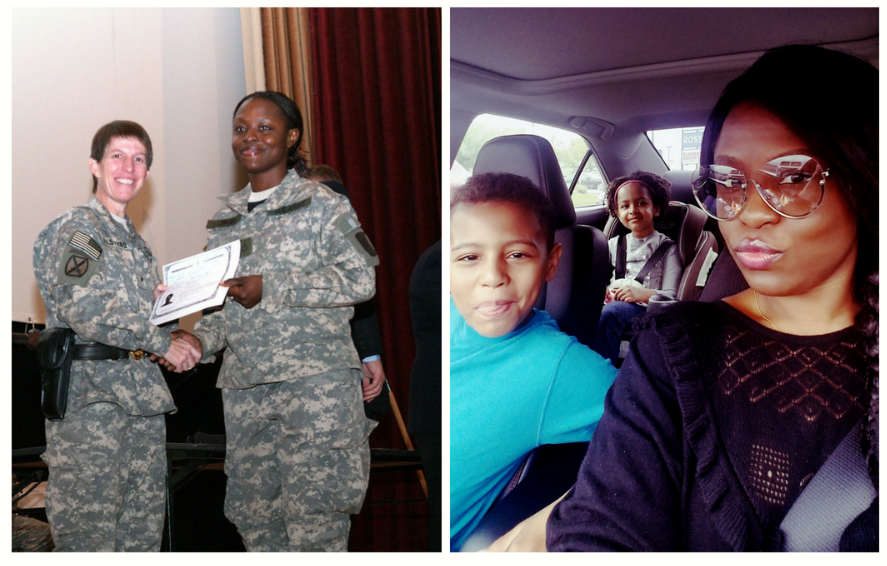
Here’s introducing my friend, Ada – one of the most beautiful souls I have ever met, who served in the US military. We explored her story from growing up in Nigeria, moving to the US, being drafted into the army, getting married, surviving an eventful divorce, raising multicultural kids, and life as a single mom.

We explored divorce in a cultural context (stigma, shame, losing friends, etc.) and what we can do to support divorcees around us (and it is not by choosing sides or totally avoiding them like a plague). We also talked about PTSD, mental health, and ways to self-care - post-divorce.

Outro-ish Song: *Don’t Let Us Get Sick* by Pat Guadagno; the original song was by Warren Zevon

Fun fact about Ada: She backpacked across Europe.


PS: To all the veterans like Ada, thank you for your service.


TL; DL:

How to Thrive after a Divorce:

  • Choose your battles

  • Stay alive

  • Do not rush into any kind of relationship (except with Ben and Jerry’s Ice-cream and chocolates, of course :-D)

  • Take your time to open up

  • Be vulnerable but not enough to allow reopening of old, healed wounds

  • Don’t waste yesterday’s tears on today

Read More
다왔어| The One with Mo!+Olabimpe [Hot Seat Edition 2] - "I Came, I Saw, I Podcast:" Episode 11 (2018)

Nigeria: A $hithole Country?¿! Nah, it’s not but how else was I supposed to get your attention, ey? Hehe.

It’s no news that Mo! is back from Nigeria. In this episode, I answered several questions that were sent in from my listeners and friends regarding my just-concluded trip to Nigeria. We talked about everything ranging from food, social issues, traffic, politics, music, getting detained by the cops, why I won’t be moving back home just yet, getting high (on not what you think), how I evaded prying questions from my well-meaning countrymen and countrywomen, what I loved and disliked about my trip, and so much more. Thank you to every one of you who sent in the questions; you made this episode rock!

Outro-ish song: Ire by Adekunle Gold. This song has been my current earworm.

PS: This is a long episode, but I think you will love the dynamic between Olabimpe and me.

PPS: My friends call me Tolani too (Olabimpe called me this all through the episode); it’s from my full name Mo-Tolani.

PPPS: As a thank-you favor to Olabimpe, I am asking this for her. Does anyone know anyone who knows anyone who knows Lynxxx – the Nigerian rapper/singer? She would love to get his attention as she’s one of his biggest fans. #Askingforafriend


TL; DL:

Food I liked: Native rice and fish 😊

Foods I could not eat: Street roasted plantains (boli) ☹

On environmental pollution in Lagos: “Let’s forget about saving the whales and the trees. We need to start saving ourselves.”

The highlight of going back home: I was not Black anymore but your average Nigerian (Yoruba) girl.

The best thing about Nigeria: Nigerians - the love, the intentionality, the warmth, no Dutch pay.

Read More
Mo Sibyl Comments
마음이 아플 때| The One with Som Ghosh - On Grief and Loss: Episode 10 (2018)

Last week, I took you on a trip to India with an interview with Dr. Shah. I decided to stay longer in India to bring you this week’s episode from another Indian. Losing one parent is hard enough but imagine losing both of your parents, and in addition to this monumental grief, having to cope with the guilt of being thousands of miles away from home when this happens.

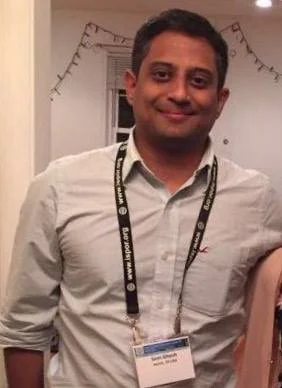
In this episode, I speak to Som Ghosh – a Tabla-playing Indian living in America on grief observed. We talked about how grief is handled by Hindus and how certain burial rites performed by Hindus might make coping with grief better, and how he has been coping with losing both parents. I also talked about a personal grief and how I was able to (and still) cope with this. We begin his story from why he decided to leave his job at Pfizer and head on to pursue a PhD in Health Economics and Outcomes Research (HEOR) and tips for those considering going back to school after working for a while.

How to cope with grief, as surmised by Som and me (in no particular order):

  • Let grief run its course.

  • Take time to mourn the loss.

  • Cry if you must.

  • Label the emotions as they come, anger, sadness, pain, anguish.

  • Remember that emotions are like messengers, we do not shoot them. Listen to the gifts they bear and afterwards, send them on their journey  in a nice way, knowing fully well that they might come back again.

  • Find someone you can trust to talk to about your grief. And if you cannot find someone, just like Tennessee Williams suggested, depend on the kindness of strangers who are usually obliagted to listen to you.

  • Seek grief counseling or therapy.

Read More
인도 의사| The One with Dr. Sanket Shah - Doctor, Doctor : Episode 9 (2018)

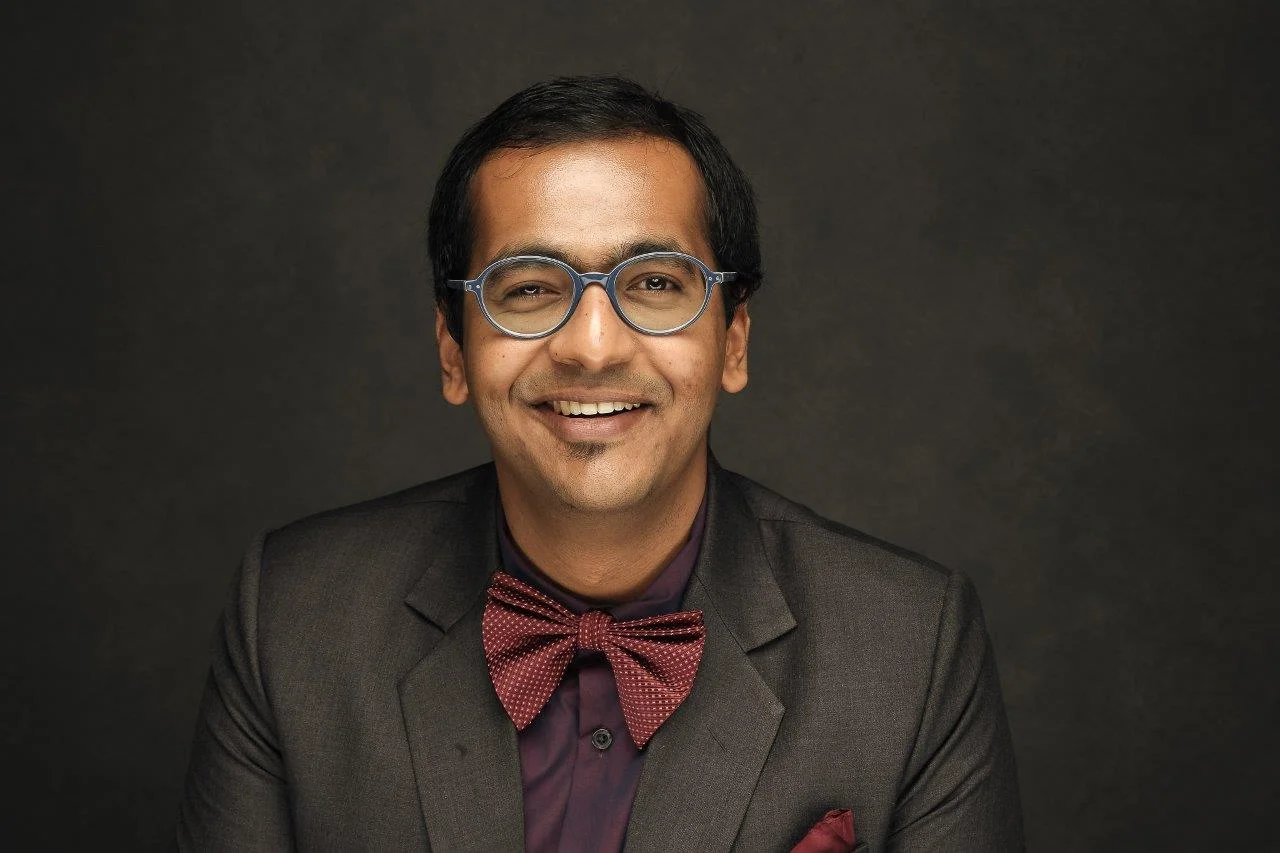
For this week’s episode, I talked to one of my favorite Indians and wonderful colleague - Dr. Sanket Shah, a medical doctor currently doing his PhD in Health Economics and Outcomes Research (HEOR) (a rarity for most MDs pursuing advanced degrees in the US) at my alma mater – The University of Texas at Austin.

We talked about and contrasted medical practice, culture, and education in India and the US. On graduate school in the US: imposter/impostor syndrome, expectational pressure, how not to quit, and using fear as a motivational tool. We also provided arguments for why foreign international students need to build positive social support systems to improve mental health, why I think Indians are different from Nigerians in certain aspects, and how both cultures can learn from each other. It was also my first time introducing the concept of cultural curiosity – where I ask my guests to ask me anything they are curious about regarding Nigeria.

Fun fact: Dr. Shah is still reeling from the shock of having dollar bills rained on him at a Nigerian colleague’s wedding dance presentation we all did in 2016. He wanted to know more about what ‘making it rain’ was all about. S/O to Chisom Chimah who was the bride at the said-wedding.

Read More
내 청소년| The One with Adenike - The Nigerian Youth: Episode 8 (2018)

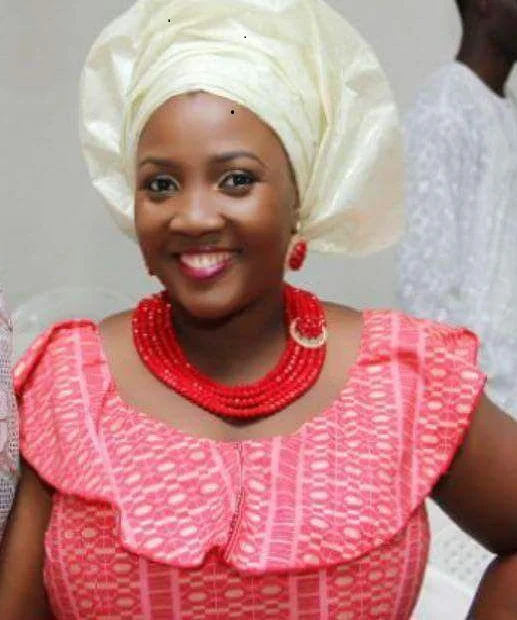
Adenike had this to say about voting:

“More than half of those who voted for the over 170 million votes for BBN are not registered to vote in the next presidential election. Nigerians don’t even know the importance of voting and I understand that we say “oh, well my vote might not count,” that is the lie we have been telling ourselves. When it is going to count, no one is going to tell you. And until you start doing your own part, you cannot even complain of not getting the best infrastructure. It is your least civic duty. Even though you didn’t vote, by not voting, you voted for the winner.”

Read More
나는 고향으로 돌아가고 싶다| The One with Bill - African-American + Nigerian: Episode 5 Part 2 (2018)

According to Bill James:

  • "We can’t just be Black as African-Americans, we are Black from the Caribbean, we are Black from everywhere."

  • There’s a cultural difference between Africans and African-Americans and it is not necessarily based on specific characteristics, it has more do with educational level.

  • At some point, it would be really nice if we all had a chance to sit down together and talk about ourselves and maybe we can then find some common ground.

  • The American immigration system handpicks the best of the best and that includes Africans. As a result, most African Americans do not come in contact with Africans based on their social level and we do not run in the same social circles.


Read More
우리는 아프리카 인입니다| The One with Bola - Just Between Africans and African Americans: Episode 4 Part 2 (2018)

January 16: Bola A

 Somehow I have managed to enrage a small community of African Americans, all due to a structureless, baseless notion that Africans hate African Americans (not true). Who comes up with all these misconceptions anyway?? It is quite sad to accept the misguidance and the reverse-engineered mentality some have. Why the sensitivity and division? Africans have a rigid culture worn like a badge of honor. Failing to embrace or assimilate to a certain culture isn't necessarily hate, and while most African elders disapprove of certain western behaviors, most of us ( younger generation)still try to assimilate and get smacked for it (😂😂). To the African, respect and honor go hand in hand. Everything you do in this world, is reflective of your household; therefore you are expected to BEHAVE (which some translated as trying to be "white" I detest that statement so much).

Read More